 Türkçe
 العربية
 Français
 русский
 Spanish
 Deutsch

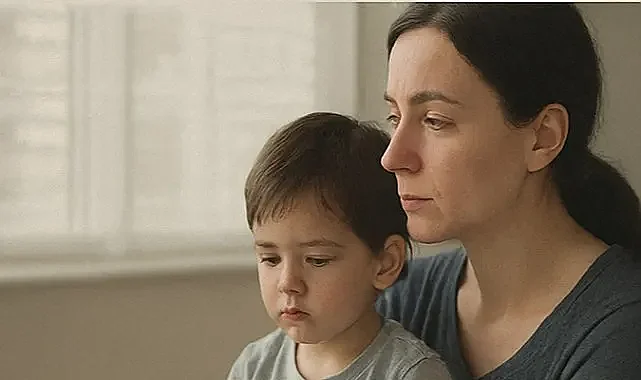
For many, France is not just a country; it is a symbol of safety, freedom, and a new beginning. However, for hundreds of thousands of migrants who go to France, the hardest part of starting a new life is often the inability to reunite with the families they left behind. For every individual separated from a spouse, child, or parent, this wait is not merely an administrative process—it is a human ordeal.
The Legal Face of Separation
Many migrants living in France wish to bring their families to join them after gaining legal status. Yet, this right often remains in the shadow of complex procedures and long waiting periods. For a father requesting family reunification, this process is not just a transaction handled on paper; every document and every day of waiting symbolizes time spent away from loved ones. In this process, where separation is measured not just in kilometers but in bureaucracy, we see a conflict between the language of law and human emotions. On one side are documents, decisions, and inspections; on the other, a mother’s yearning to embrace her child once again.
Family Unity: Human Dignity as a Right
The French Constitution and the European Convention on Human Rights recognize the "right to respect for family life" as a fundamental human right. Furthermore, if a child is involved, the "best interests of the child" are taken into consideration. This principle imposes a responsibility on states to enable their citizens and the foreigners residing in their country to build a life worthy of human dignity. Family unity is not just a legal concept; it means the protection of the family—the smallest and strongest unit of society. Therefore, family reunification in France should be evaluated not only within the scope of migration policy but at the very core of human rights law.
The Invisible Struggle of Migrant Families
Every day, thousands of families prepare letters, petitions, and files to reunite with their loved ones. Applications for family reunification have increased as migration abroad has risen. Every day, thousands of families apply for visas to settle overseas. A mother waits months for a response to reunite with her child; a father checks his mailbox every day with the hope of meeting his family. The common thread in these stories is the testing of a basic human need—the right to be together—against legal hurdles.
Migrant families often carry a psychological burden as well as a financial one. Long waits, uncertainty, communication difficulties, and bureaucratic coldness leave deep marks on their inner worlds. Many children only see their mothers or fathers on a phone screen for years. This situation is not just an individual pain; it is a societal trauma.
The Point Where Law Meets Conscience
As a legal professional, what is felt most in family reunification cases is this: behind every file, there is a human story. Although family reunification requests are referred to as "administrative applications" on paper, in reality, they are an effort to touch a human life again. The purpose of the law is not to separate people, but to unite them and to bring justice closer to human emotions. For this reason, the right to family reunification must be evaluated not only under "aliens' law" but also as a matter of the "law of conscience."
The Value Behind the Reunion
Family reunification is not just a visa or a residence permit; it is the drying of a mother's tears, a child’s ability to hug their father again, and a family meeting at the same dinner table. Therefore, for every migrant in France, a family reunification file represents a person's most fundamental longing: the right to be together. And it must not be forgotten that protecting family integrity is not only the responsibility of the law but a common responsibility of humanity.
Att. Aykut Yavuz Expert in Aliens and Citizenship Law